9+ curated guides • Updated December 2025
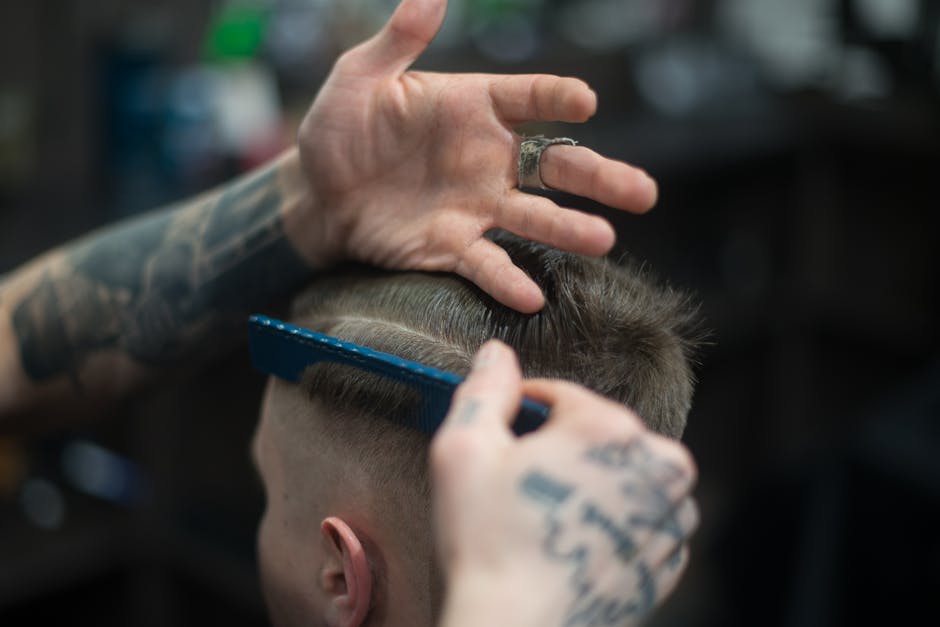
For generations, a man's ring was a declaration of weight and wealth—the heavier, the better. But in a world saturated with loud statements, a new kind of power is emerging from subtlety. What if the most confident statement you could make on your hand weighs almost nothing at all? We've been conditioned to associate mass with meaning, bulk with bravado. The chunky signet, the formidable wedding band, the knuckle-duster dripping in stones—they all served their purpose in an era of overt signaling. But the modern man of substance understands a different language. He communicates not through volume, but through precision. The 2-gram gold ring isn't an entry-level accessory; it is the final word in a style vocabulary built on intention. It’s a deliberate rejection of the need for external validation, a quiet hum of self-assurance in a world of noise.
You've chosen the perfect suit and a crisp shirt for your big meeting, but you pause at your tie rack. You probably think the choice is purely about color and pattern, but the knot you tie sends a message long before you say a word. From the confident bulk of a Full Windsor to the relaxed asymmetry of a Four-in-Hand, your tie is a subtle signal of your personality and intent—and this guide will teach you how to speak its language. As an image consultant, I've seen countless professionals undermine their presence by choosing a knot that clashes with their objective. They deliver a powerful presentation, but their tie whispers uncertainty. This article is not about fashion; it's about strategic communication. We will dissect the most common knots and decode the silent messages they broadcast, empowering you to align your appearance with your ambition.
When a celebrity posts a blue and white flag, it's more than a political statement—it's a calculated move with immediate, high-stakes consequences for their brand. Before we judge the message, let's decode the math: What is the real-world cost of a pro-Israel stance in terms of followers, endorsements, and future roles, and why are some stars deciding the price is worth paying? In my two decades of managing the public images of A-listers, I’ve seen careers pivot on less. This isn't about right or wrong; it's about risk and reward. We're breaking down the professional calculus that happens in war rooms with agents, managers, and publicists long before a single character is typed.
That box of old gold jewelry could be a windfall or a rip-off, and the difference is the person sitting behind the counter. Before you even lay your items on their scale, what if you could know whether you're about to get a fair deal? As a former gold buyer, I'll give you the insider playbook to spot the sharks in minutes, ensuring you walk away with the cash you deserve. I spent years on the other side of that counter, and I can tell you that the most successful buyers—for them, not for you—rely on customer ignorance and intimidation. This guide flips the script. We're not just looking for a place to 'sell gold near me'; we're qualifying the buyer with a simple, three-part honesty test you can run in under five minutes, without even showing them your gold.
You found the perfect conch ring online, a delicate hoop that looked stunning on the model. Yet, in your own ear, it sits awkwardly, causes irritation, or simply doesn't look right. This frustrating experience isn't about bad style—it's about anatomy, and understanding it is the secret to unlocking the perfect fit. As a piercer who specializes in ear curation, I see this constantly. Clients come in defeated, holding a beautiful piece of jewelry that has become a source of pain and disappointment. My job isn't just to perform a piercing; it's to be an architect for your ear, mapping its unique landscape to build a collection of jewelry that is not only beautiful but feels like it was made for you. This article will shift your focus from fleeting trends to the timeless principle of anatomical harmony, ensuring your next conch ring is a triumph of personal style and comfort.
Have you ever wondered why you call your earrings 'hikaw' (a native Tagalog word), but your watch a 'relo' (from Spanish), and your favorite handbag is just a 'bag' (from English)? This isn't just a language quirk. The words we use for our accessories are a fascinating timeline of Filipino culture, and we're about to unpack the history hidden in your closet. Each word is a cultural artifact, a fossilized remnant of a specific era's influence on our identity and how we choose to adorn ourselves. By examining the etymology of these everyday items, we're not just learning linguistics; we're excavating the story of the Philippines, one accessory at a time.
Stuck in a ground beef rut of tacos, burgers, and bolognese? The problem isn't your recipes; it's your pantry pairings. We're about to reveal the flavor map that will turn that humble pound of ground beef into something extraordinary, using surprising ingredients you never thought to try. Forget mindlessly following steps. Today, we're going to teach you how to think, taste, and build flavor like a chef. We're handing you the compass to navigate the vast potential of what is, essentially, the most versatile protein in your kitchen. Think of that package of ground beef not as a destination, but as a blank canvas. The ingredients we're about to explore are your new palette, and the results will be culinary masterpieces that feel entirely your own.
That delicate gold necklace in the velvet box carries a price tag that feels impossibly indulgent. But what if the real luxury isn't the item itself, but the lifetime of wear it offers? We've been trained to see fine jewelry as an expense, when we should be seeing it as the ultimate solution to the endless, costly cycle of fast fashion. This isn't about extravagance; it's about strategic acquisition. By shifting our focus from the initial price to the long-term cost-per-wear, we can dismantle the false economy of disposable trends and build a wardrobe portfolio that genuinely serves us—financially, stylistically, and sustainably.
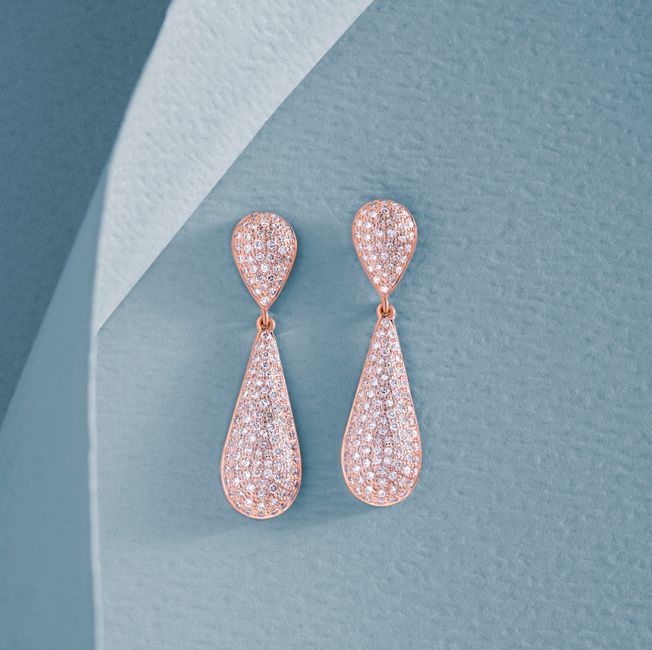
We’ve all done it: taken off a pair of stunning 'statement' earrings mid-day, our earlobes aching. But what if true luxury wasn't about weight, but about weightlessness? Discover the 4-gram rule, the jewelry world's secret to crafting new designs that offer all the style and substance you crave, without any of the sacrifice. As a stylist who has handled thousands of pieces, from runway behemoths to whisper-thin heirlooms, I can tell you that the most-worn, most-loved pieces in any collection are never the heaviest. They are the ones that achieve a perfect, almost magical, equilibrium. They are the ones that follow the 4-gram rule.